Our latest work, led by Taylor Mahoney is now preprinted.
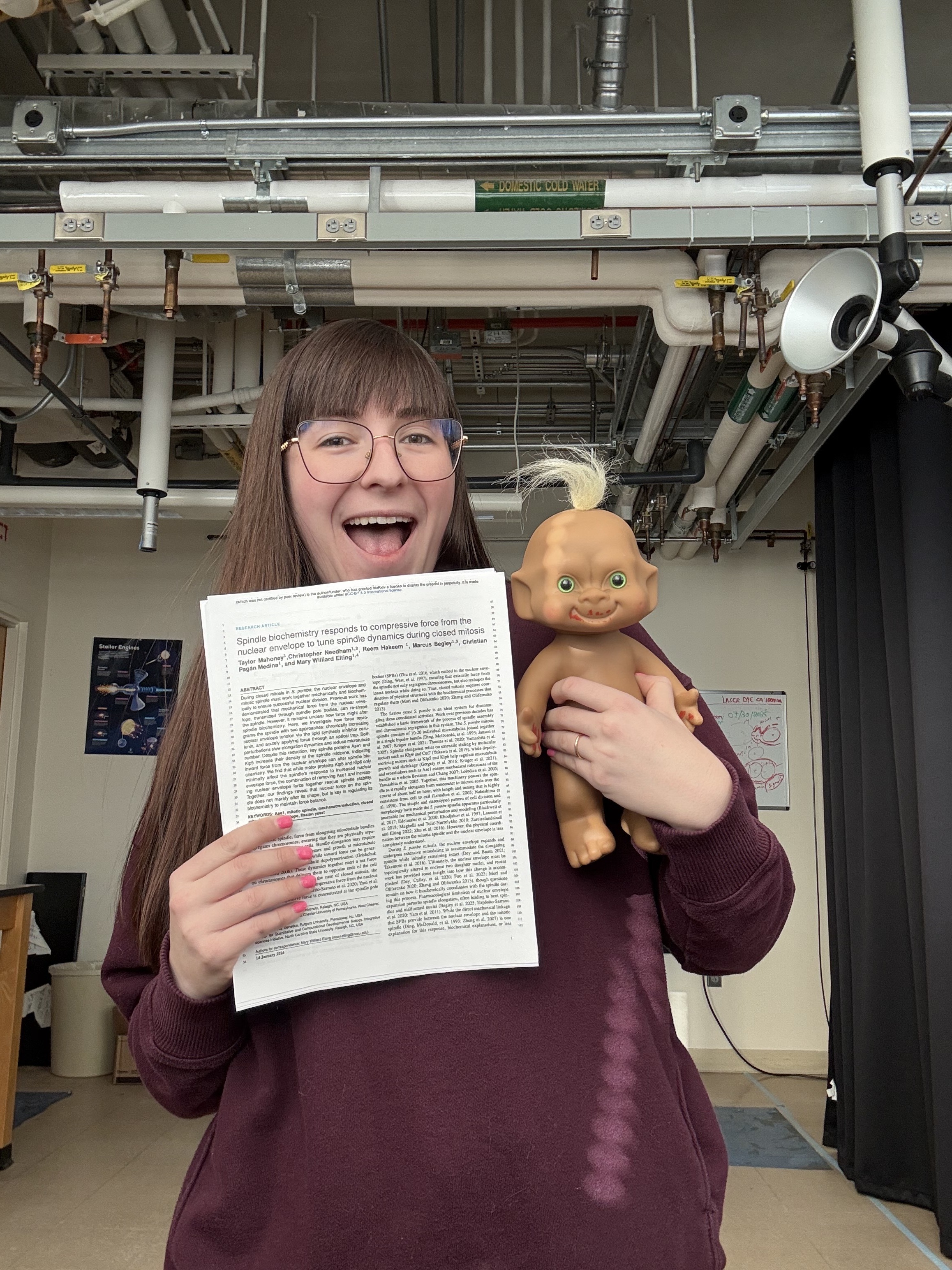
Taylor and lab ‘mascot’ Thelonius, proudly holding the new preprint

In this work, Taylor and other co-authors investigated the mechanics of dividing fission yeast.

The fission yeast S. pombe undergoes closed mitosis, meaning the nuclear envelope remains intact through the entirety of division. Here, we investigate how force can trigger a biochemical response through two methods: the lipid synthesis inhibitor cerulenin and using an optical trap to trap lipid vesicles. Despite a reduction in microtubule number, we observe an increase in Ase1 and Klp5 at the spindle midzone. While Klp5/6 minimally affect the spindle’s response to increased force, this force in the absence of Ase1 triggers a biochemical response to rescue the spindle stability via increased microtubule number. Together, our findings reveal that nuclear force on the spindle does not merely alter its shape, but is key in regulating its biochemistry to maintain force balance.
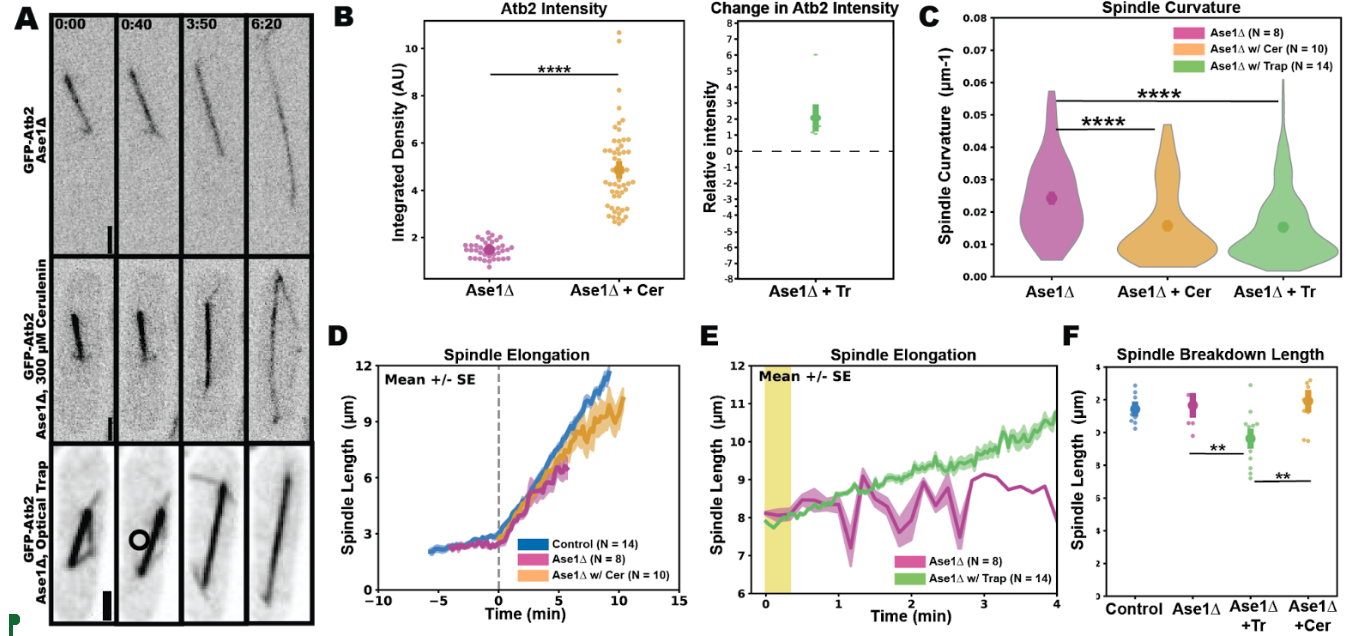
Figure 5, Taylor’s favorite from this manuscript.
5 Jan 2026 by mwelting


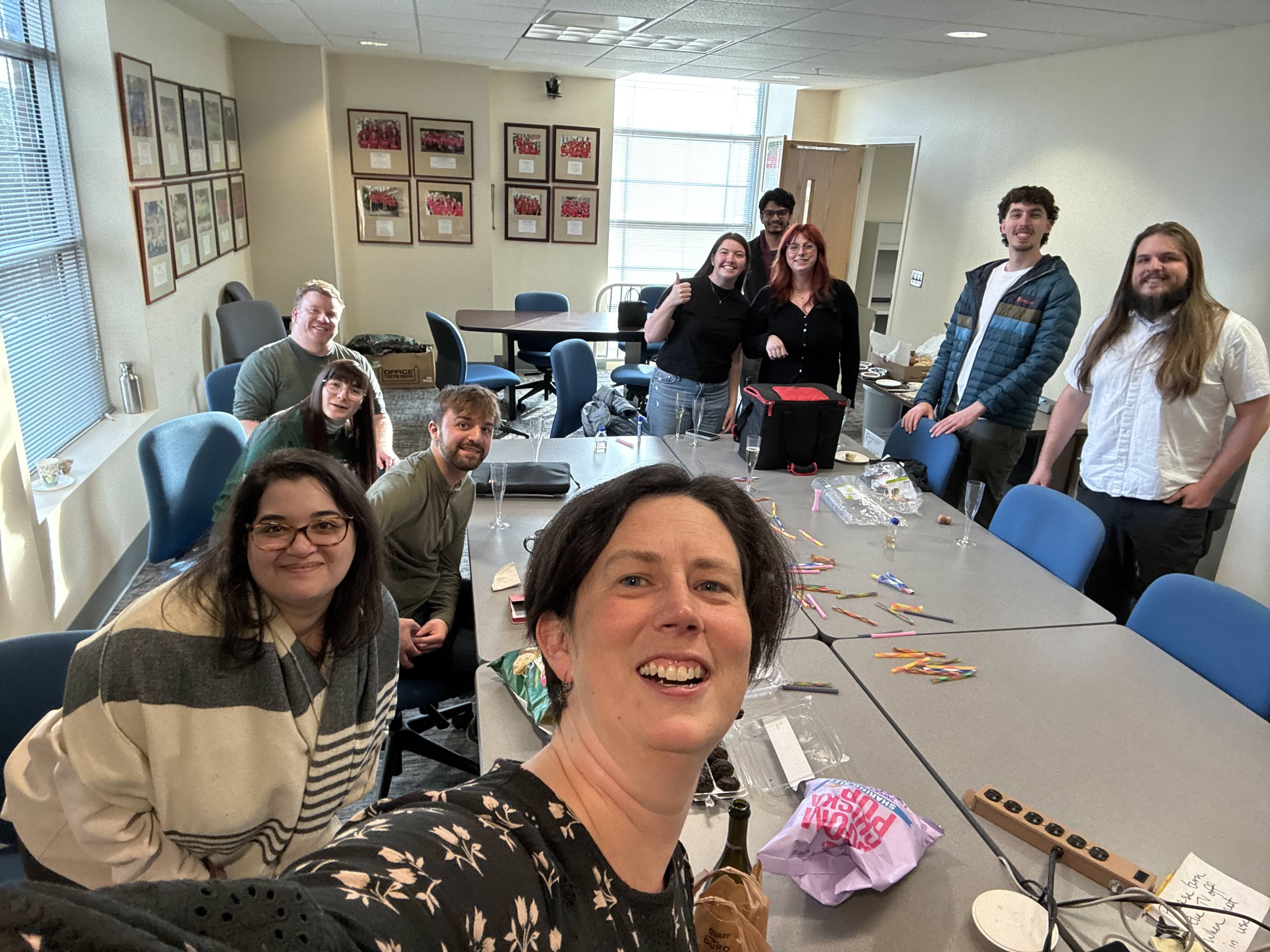
Celebrating Joe following his successful defense

Joseph Lannan successfully defended his thesis, “Novel Mechanism of Biological Contraction and Building Cyborg Cells”! We’re so proud of his work and look forward to following his next steps.


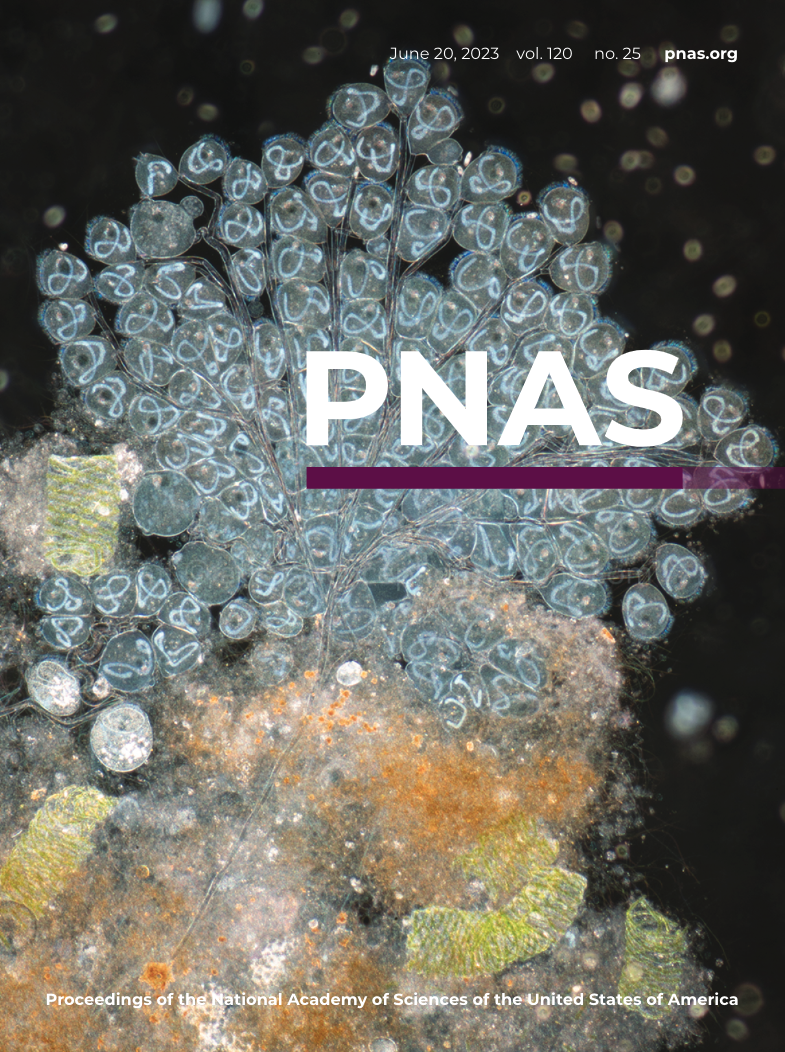
Our latest work, led by Cal Floyd in the Dinner Group at University of Chicago, is featured on the cover of PNAS! This project was a multi-university collaboration that included computational modeling, cell biology, and engineering. Check out Saad’s excellent tweet thread on the paper here: .

The Elting Lab has been awarded a new grant from the National Science Foundation, in collaboration with the groups of Saad Bhamla (Georgia Tech), Fred Chang (UCSF), Scott Coyle (University of Wisconsin), Aaron Dinner (University of Chicago), Jerry Honts (Drake University), and Jane Maienschein (Marine Biological Laboratory and Arizona State University). This grant will allow us to take a multi-scale, interdisciplinary approach to understanding the ultrafast organismal scale contractions of the unicellular ciliate, Spirostomum, one of nature’s fastest cells! We’re thrilled to be able to continue our work with this highly interdisciplinary, collaborative (and all around fun!) team!

We were very excited to learn that Mary has been promoted to Associate Professor with Tenure (effective August 2023). Looking forward to the opportunity for many more years of science to come!

17 Dec 2022 by mwelting


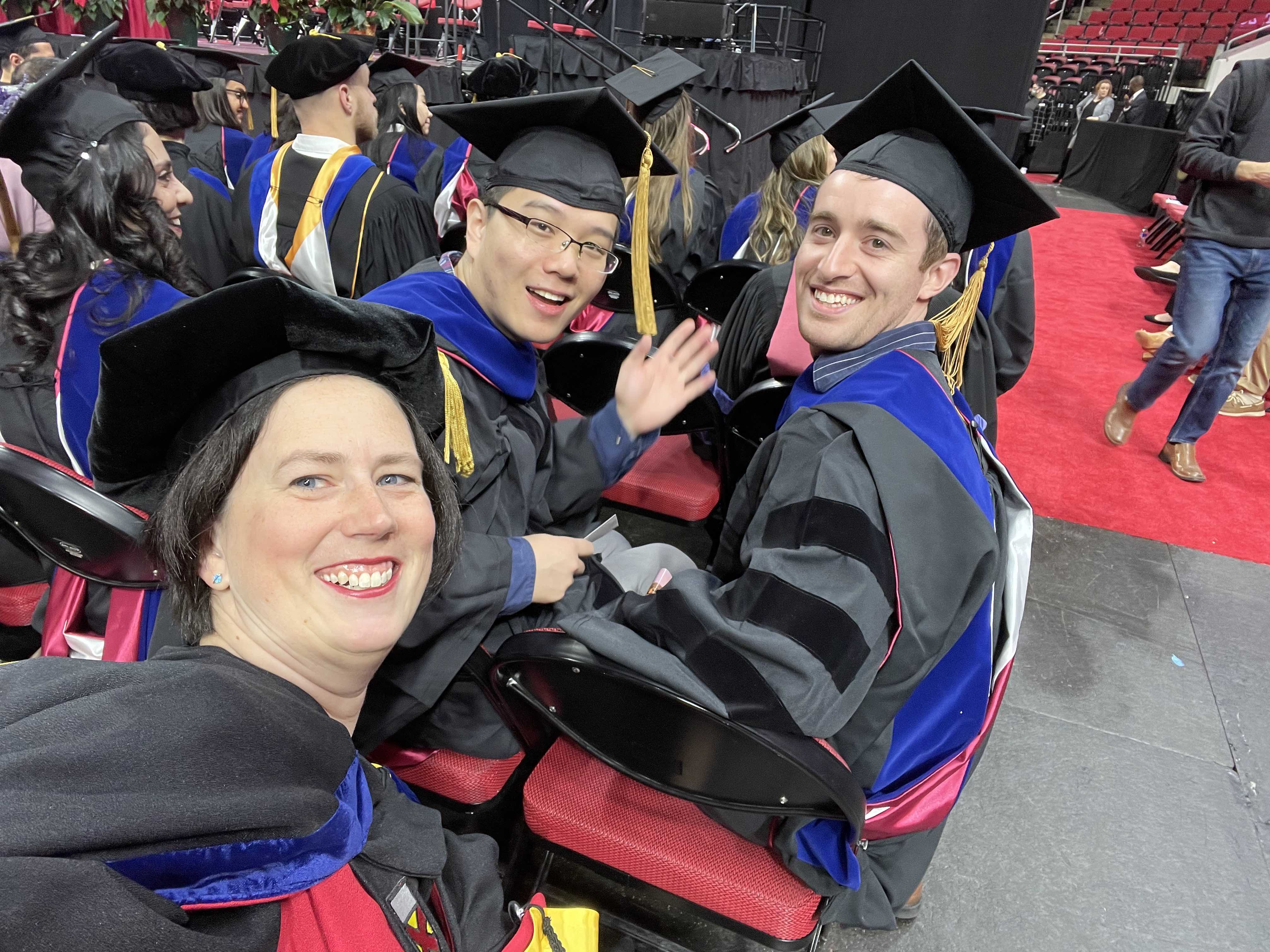
Marc, Mary, and Pengning Xu (from the Weninger Lab at NCSU Physics) celebrating at the University Commencement ceremony/i>

Marc Begley successfully defended his PhD in November and graduated on December 17. We are so happy for Marc and excited for his next adventure! After graduation, he plans to move to New Jersey and seek a position as a postdoctoral researcher.

The lab also celebrated the awarding of Mohamed Moshtohry’s posthumous PhD at graduation, too. We sorely missed celebrating with Mohamed in person but are glad that his family could receive this degree and hope that it brings them some comfort.

6 Apr 2022 by mwelting

The Elting Lab has several currently open positions.

We are recruiting NCSU undergraduates for positions beginning in the Summer of 2022 (with the potential to continue into the school year). For full consideration for these paid positions, interested students should contact Dr. Elting by April 18. See instructions on the Join tab.

We are also recruiting one or more postdoctoral scholars to work on the mechanics of the mitotic spindle. Applicants should apply by April 18 to ensure full consideration, though applications will continue to be accepted until the position is filled. See more details on the Join tab.

Mohamed and Kim’s paper on mechanical perturbation of the cytokinetic ring by laser ablation, which is a collaboration of our group with the Laplante group (also in the QCDB cluster at NCSU) is now published. See the publications tab for more info!